Smart Drones: Exploring AI Innovations in Aerial Robotics
Introduction
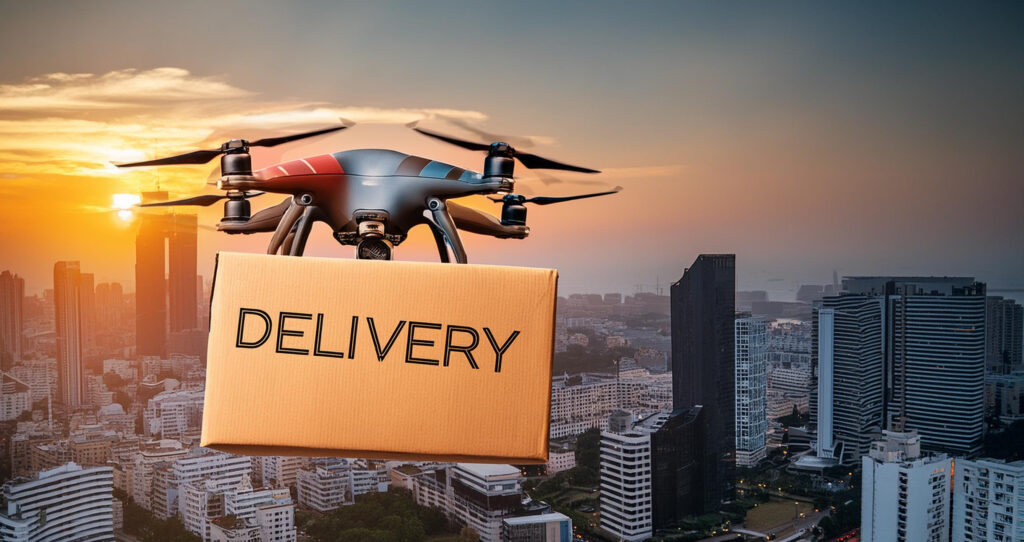
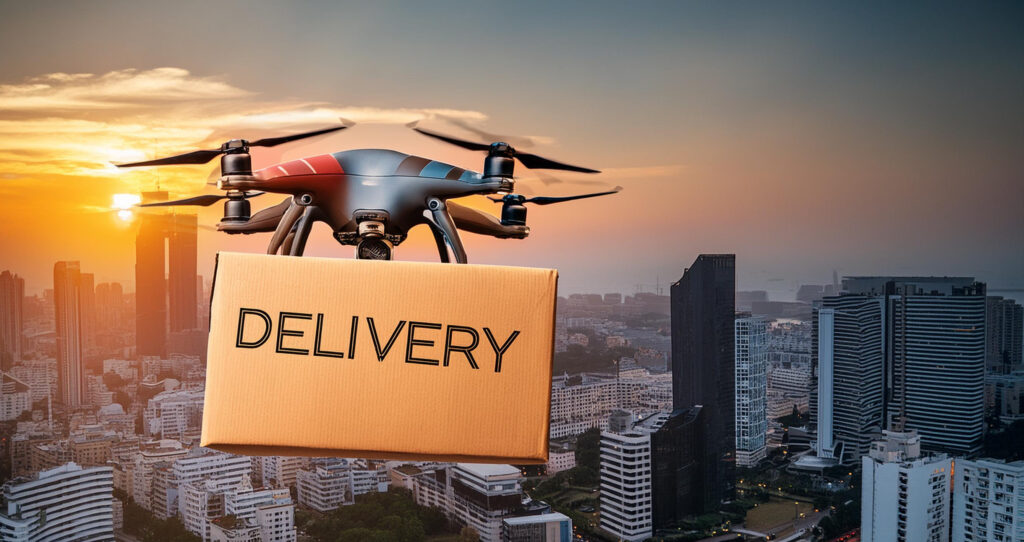
The integration of artificial intelligence (AI) with drone technology is revolutionizing various industries, from agriculture to logistics, and from surveillance to disaster management. These smart drones, equipped with advanced AI algorithms, offer unprecedented capabilities in autonomy, efficiency, and decision-making. This post delves into the innovations brought by AI in aerial robotics, highlighting real-world examples, benefits, challenges, and future trends.

The Evolution of Drones and AI
The journey of drones began with simple remote-controlled devices used for military reconnaissance. Over time, advancements in technology have enabled drones to become more autonomous and intelligent. The integration of AI has accelerated this evolution, allowing drones to perform complex tasks with minimal human intervention. AI-powered drones can analyze vast amounts of data in real-time, make informed decisions, and adapt to changing environments.
Innovations in AI-Powered Drones
1. Autonomous Navigation
One of the most significant innovations in AI-powered drones is autonomous navigation. Traditional drones require manual control, which limits their efficiency and range. However, AI enables drones to navigate independently by processing data from sensors such as GPS, cameras, LIDAR, and ultrasonic sensors. AI algorithms, such as computer vision and deep learning, allow drones to understand and interpret their surroundings, avoid obstacles, and follow dynamic paths.
Example: Skydio
Skydio is a leading company in autonomous drones. Its Skydio 2 drone uses six 4K navigation cameras and advanced AI to create a 3D map of its environment in real-time. This allows the drone to autonomously navigate complex environments, avoid obstacles, and capture high-quality footage without human intervention.
2. Enhanced Surveillance and Security
AI-powered drones are transforming surveillance and security operations. These drones can patrol large areas, detect anomalies, and provide real-time video feeds to security personnel. AI algorithms enable drones to recognize faces, track movements, and analyze behaviors, making them invaluable tools for law enforcement and security agencies.

Example: DJI’s Phantom 4 Pro
DJI’s Phantom 4 Pro is equipped with advanced AI features such as object tracking and obstacle sensing. The drone’s AI algorithms can identify and follow subjects, making it ideal for security surveillance and monitoring. Additionally, its high-resolution camera and intelligent flight modes enhance its surveillance capabilities.
3. Precision Agriculture
In agriculture, AI-powered drones are revolutionizing crop monitoring and management. These drones can capture high-resolution images of fields, analyze crop health, detect pests, and monitor irrigation levels. AI algorithms process the data to provide actionable insights, helping farmers optimize their practices and increase yields.
Example: AgEagle Aerial Systems
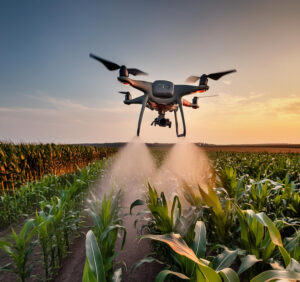 AgEagle Aerial Systems develops drones and software solutions for precision agriculture. Their drones use AI to analyze multispectral and thermal imagery, providing farmers with detailed information about crop health, soil conditions, and water levels. This enables precise interventions, reducing costs and improving productivity.
4. Disaster Management and Relief
AI-powered drones play a critical role in disaster management and relief efforts. They can quickly survey affected areas, assess damage, locate survivors, and deliver supplies. AI algorithms enable drones to analyze the terrain, identify hazards, and prioritize rescue operations, significantly improving response times and efficiency.
Example: Zipline
Zipline, a company known for its medical supply delivery drones, has expanded its operations to disaster relief. During natural disasters, Zipline’s AI-powered drones deliver essential supplies such as blood, vaccines, and medicines to remote and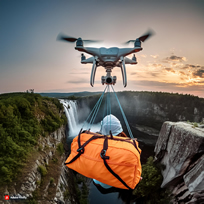 inaccessible areas. The drones’ AI systems optimize delivery routes and ensure timely deliveries, saving lives and aiding in recovery efforts.
5. Environmental Monitoring
Environmental monitoring is another area where AI-powered drones are making a significant impact. These drones can monitor wildlife, track environmental changes, and collect data on air and water quality. AI algorithms analyze the data to detect patterns, predict trends, and inform conservation efforts.
Example: Conservation Drones
Conservation Drones is an organization that uses AI-powered drones for wildlife conservation and environmental monitoring. Their drones capture high-resolution images and videos of wildlife habitats, which AI algorithms analyze to monitor animal populations, detect poaching activities, and assess habitat health. This data is crucial for making informed conservation decisions.
Benefits of AI-Powered Drones
The integration of AI in drones offers numerous benefits across various industries:
1. Increased Efficiency
The integration of AI into drone technology has significantly improved the efficiency of operations in both delivery services and agriculture. AI-powered drones optimize route planning, enhance safety, and enable data-driven decision-making in delivery services, leading to faster and more reliable deliveries. In agriculture, AI drones provide detailed data and actionable insights, allowing for precision agriculture, efficient irrigation, early pest detection, and variable rate application. These advancements not only increase productivity and reduce costs but also promote sustainable practices, making AI-powered drones a game-changer in various industries.
2. Improved Safety
The integration of AI into drone technology has significantly improved the safety of drone operations. AI enhances collision avoidance, situational awareness, autonomous navigation, and cybersecurity, making drone operations more reliable and secure. Additionally, ethical and regulatory considerations are crucial to ensure the responsible and beneficial use of AI-powered drones. As technology continues to advance, we can expect further improvements in the safety and capabilities of AI-powered drones, transforming various industries and applications.
3. Real-Time Decision Making
The integration of AI into drone technology has significantly enhanced the ability of drones to make real-time decisions. AI improves flight path monitoring, battery and component health monitoring, obstacle detection and avoidance, target tracking, and predictive maintenance. These advancements ensure the safe, efficient, and reliable operation of drones across various applications. As AI technology continues to evolve, we can expect even greater improvements in the real-time decision-making capabilities of drones, further transforming industries and enhancing operational efficiency.
4. Scalability
The scalability enabled by AI in drone technology is driving the adoption of drones across various industries, including agriculture, construction, energy, and logistics. As AI algorithms continue to advance and become more sophisticated, we can expect even greater scalability and efficiency in drone operations, unlocking new possibilities and applications. for example, AI-powered drones can easily scale operations, from monitoring large agricultural fields to patrolling vast industrial sites, without the limitations of human-operated systems.
5. Enhanced Data Analytics
The combination of AI and drones allows for the collection and analysis of large datasets, providing valuable insights and enabling data-driven decision-making.
Challenges and Considerations
Despite their numerous benefits, AI-powered drones face several challenges:
1. Regulatory Hurdles
The use of AI-powered drones is subject to regulatory approval in many countries. Regulations regarding airspace, privacy, and safety need to evolve to accommodate the growing use of autonomous drones.
2. Technical Limitations
Current AI algorithms and drone hardware have limitations in terms of battery life, payload capacity, and processing power. Continuous advancements in technology are needed to overcome these challenges.
3. Ethical and Privacy Concerns
The use of AI in drones raises ethical and privacy concerns, particularly in surveillance and data collection. Clear guidelines and regulations are essential to address these issues and ensure responsible use of AI-powered drones.
4. Security Risks
AI-powered drones are vulnerable to cyber-attacks and hacking. Robust security measures are necessary to protect drones from unauthorized access and manipulation.
5. Cost
The initial investment in AI-powered drones can be high, making it a barrier for small businesses and organizations with limited budgets. However, as technology advances, costs are expected to decrease.
Future Trends in AI-Powered Drones
The future of AI-powered drones is promising, with several trends shaping their development:
1. Swarm Intelligence
Swarm intelligence involves multiple drones working together in a coordinated manner, similar to a swarm of bees. AI algorithms enable drones to communicate and collaborate, enhancing their efficiency and capabilities.
2. Edge Computing
Edge computing involves processing data locally on the drone rather than relying on remote servers. This reduces latency and enables real-time decision-making, crucial for applications such as autonomous navigation and surveillance.
3. Advanced AI Algorithms
Continued advancements in AI algorithms, such as reinforcement learning and generative adversarial networks (GANs), will further enhance the capabilities of drones, making them more autonomous and intelligent.
4. Integration with IoT
The integration of AI-powered drones with the Internet of Things (IoT) will create interconnected systems that can share data and collaborate seamlessly. This will enhance applications such as smart cities, industrial automation, and environmental monitoring.
5. Expansion into New Industries
As AI-powered drones become more advanced and affordable, their adoption will expand into new industries, including healthcare, entertainment, and retail. This will unlock new opportunities and drive further innovation.
Conclusion
AI-powered drones represent a significant leap forward in aerial robotics, offering transformative capabilities across various industries. From autonomous navigation and enhanced surveillance to precision agriculture and disaster management, these smart drones are redefining what is possible. While challenges remain, the continuous advancements in AI and drone technology promise a future where drones are an integral part of our daily lives, driving efficiency, safety, and innovation. As we explore the potential of AI-powered drones, it is crucial to address regulatory, ethical, and technical challenges to ensure their responsible and beneficial use. The future of aerial robotics is bright, and AI will undoubtedly play a central role in shaping it.